AI Product Photography in Saudi Arabia: How Brands Launch Faster Without Losing Identity
A practical guide for Saudi fashion, beauty, and lifestyle brands that want faster content production without sacrificing brand consistency.
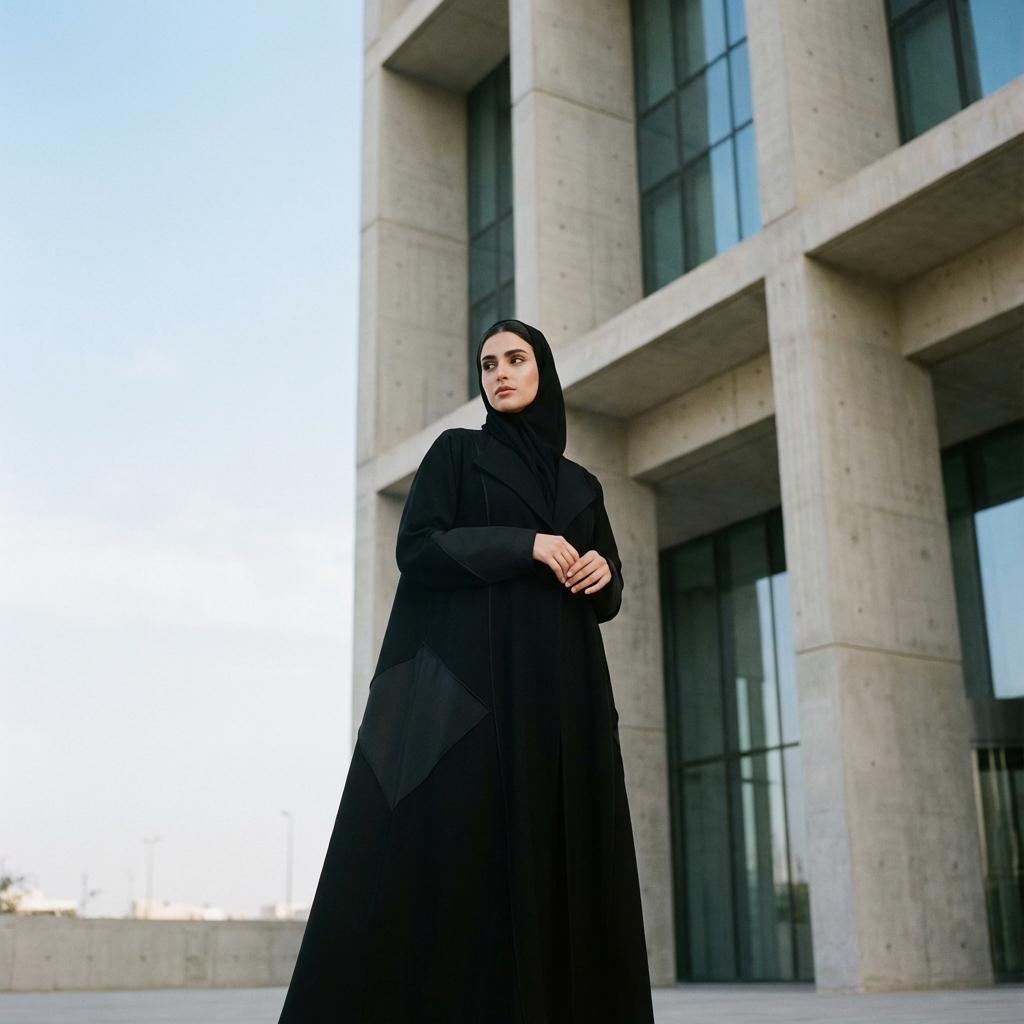
Saudi brands are under pressure to produce more launch content, more social assets, and more campaign variations than ever. The problem is that traditional production still moves at a pace built for fewer deliverables, longer timelines, and larger coordination overhead. AI product photography is becoming valuable in Saudi Arabia not because it replaces creative direction, but because it removes the bottlenecks that slow down fast-moving teams.
- AI product photography helps most when product references and brand direction are already clear.
- The real gain is faster execution across ecommerce, paid social, and launch assets.
- Brands get better results from repeatable studio systems than from ad hoc prompting.
- Speed only matters if approvals, consistency, and channel readiness stay controlled.
Why Saudi brands are rethinking product photography
Fashion, beauty, fragrance, and lifestyle teams in Saudi Arabia are shipping across ecommerce, paid social, retail screens, WhatsApp sales flows, and marketplace listings at the same time. That creates a demand for many more image outputs per launch than a traditional single-shoot workflow was designed to handle.
The core issue is not only cost. It is also operational drag: booking talent, coordinating samples, locking locations, approving references, and waiting for post-production. When every launch needs multiple crops, angles, and channel-specific variations, production delay becomes a growth problem.
- More SKU variation means more image variation.
- Social channels require faster turnaround than seasonal campaign production.
- Regional brands need stronger visual consistency across Arabic and English touchpoints.
Where traditional shoots slow the workflow down
Traditional photography still matters for hero campaigns, founder stories, and high-touch editorial. But many production requests do not fail because the creative concept is weak. They fail because the workflow is too slow for the amount of content required.
When teams need product imagery, studio variations, social-first crops, and rapid reworks, the approval loop gets longer with every new dependency. A single missed sample, unavailable model, or delayed retouch round can push the whole schedule.
- Sample logistics and wardrobe coordination
- Location scheduling and shot-list dependency
- Long approval cycles for minor visual changes
- High cost for re-shooting small changes
What AI product photography actually improves
AI product photography helps most when a brand already knows its aesthetic direction and needs to execute faster. It can speed up visual iteration, reduce re-shoot dependency, and create more channel-ready outputs from a controlled reference system.
The practical advantage is not just image generation. It is the ability to keep a studio style, product reference, and brand feeling aligned while producing multiple outputs quickly. That matters when a team needs launch assets this week, not next month.
- Faster concept-to-output cycles
- More controlled variation across angles and formats
- Lower dependence on repeated physical production for every asset
- Better throughput for ecommerce and social content pipelines
How to use AI without making the brand look generic
The quality difference comes from structure. Generic prompts create generic results. Strong outcomes come from reference-led workflows: approved product imagery, controlled wardrobe or styling inputs, consistent studio direction, and clear approval gates.
Brands should treat AI production like a system, not a one-click shortcut. That means defining reusable studio looks, controlled product references, and channel-specific approval standards. The faster the workflow becomes, the more important it is to protect visual identity.
- Use approved product references as source-of-truth inputs.
- Standardize studio looks instead of prompting from scratch every time.
- Separate exploratory content from approved commerce content.
- Review outputs against brand markers, not only speed.
A practical workflow for Saudi ecommerce teams
A useful operating model is simple: lock the product, choose the studio direction, generate fast variations, approve the strongest outputs, and route the final set into ecommerce and social channels. This makes AI valuable as an execution layer rather than a random image generator.
For teams in Saudi Arabia, this is especially useful when launches need bilingual campaign support, localized aesthetics, and a higher cadence of product communication. The workflow scales better when the brand controls the references and uses the system to shorten the path from concept to approved image.
- Create a clean source library for products and wardrobe assets.
- Define a short list of studio directions matched to the brand.
- Generate multiple usable outputs per approved setup.
- Approve only channel-ready assets and archive the rest.
What to measure before switching more production to AI
The right evaluation is operational, not just visual. Teams should measure turnaround time, cost per approved asset, revision volume, and how quickly launch teams can get from product-ready to publish-ready.
If AI product photography reduces production friction while preserving brand consistency, it is doing its job. If it creates more review chaos, then the issue is usually the workflow design, not the model itself.
- Time from brief to approved output
- Cost per approved visual asset
- Number of revision rounds per deliverable
- Consistency across paid, ecommerce, and social formats
Frequently asked questions
Is AI product photography good enough for ecommerce in Saudi Arabia?
Yes, when it is reference-led and quality-controlled. It is especially effective for rapid catalog support, social assets, and launch variations where speed and consistency matter.
Can AI product photography work for fashion and beauty brands?
Yes. Fashion and beauty teams benefit when they use approved product references, controlled studio looks, and a review process that protects brand styling and finish.
Does AI replace traditional photography completely?
No. It is strongest as a production acceleration layer. Hero campaigns, high-touch editorial, and certain brand moments may still benefit from traditional shoots.
What is the biggest mistake brands make with AI imagery?
Treating it like an unstructured prompt tool. The best results come from systems: product references, studio rules, approval gates, and channel-aware output standards.